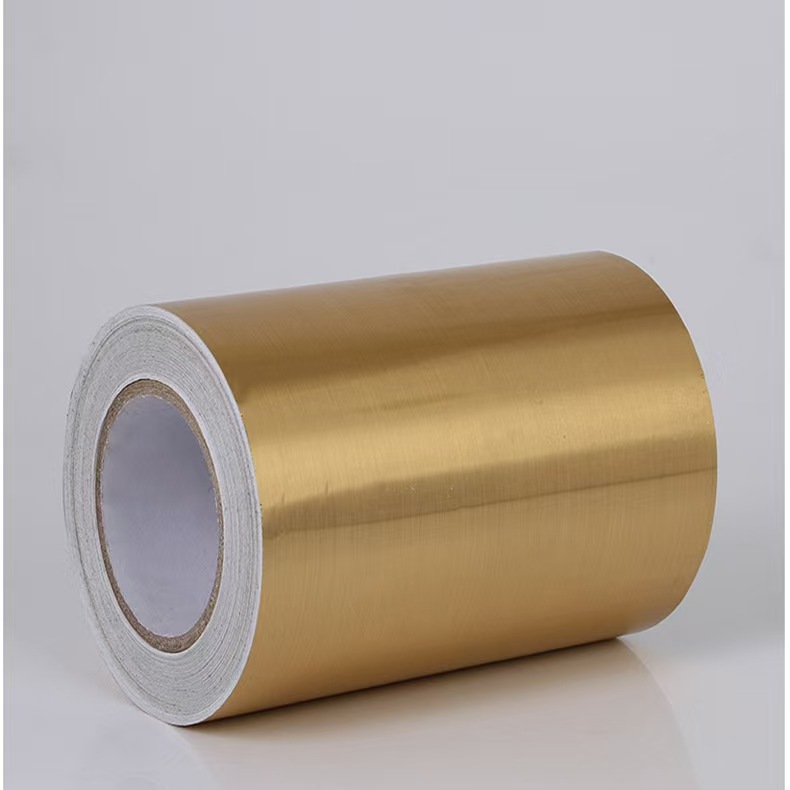
Stacked to Fail: How Pallet Pressure Turns Perfect Rolls into Blocked Waste
Film manufacturers often focus on coating chemistry, curing cycles, and QA tests to prevent blocking. Yet one of the most common causes of blocking isn’t on the production line—it's on the warehouse floor. Meet the silent killer: pallet pressure.
This article dives into how pallet pressure, especially under uncontrolled storage conditions like humidity and heat, can deform, fuse, and ultimately destroy perfectly cured rolls.
1. What Is Pallet Pressure and Why It Matters
Pallet pressure is the vertical load applied to rolls during stacking or transport. When rolls are piled 4–6 layers high, the bottom layers may support hundreds of kilograms of weight—continuously, and sometimes under elevated temperatures or moist air.
Unlike mechanical testing, where contact is momentary, pallet pressure applies slow, persistent force. Over hours or days, this pressure causes:
- Film layer compression and deformation
- Surface softening under load
- Adhesive fusion between adjacent layers
The result? Blocking that appears days after storage, especially if rolls are shrink-wrapped or in a humid environment.
2. The Amplifiers: Heat and Humidity
Storage conditions dramatically amplify the risks of pallet pressure:
- Warm temperatures (above 25°C) soften coating layers, reducing their resistance to pressure
- Humidity plasticizes hydrophilic coatings, increasing surface tack
- Combined heat + RH create a ‘blocking chamber’ inside sealed pallets
Even if the rolls passed all in-line QA tests, they become vulnerable once stacked tightly and left unattended for 48–72 hours.
3. How Pressure-Induced Blocking Happens
Key steps in the blocking mechanism include:
- Compression of surface coating → Reduction in surface roughness
- Softening of coating polymers under pressure and heat
- Fusion of film interfaces at contact points (especially edges)
- Loss of unwind tension stability due to localized adhesion
This results in edge blocking, film tearing during unwind, and visible ring deformation in the roll profile.
4. Case Study: Laminate Film Failure After Export
A polyester laminate film, packed in 6-layer pallet stacks, showed no defects at production. After overseas shipping through tropical climates, customer feedback included:
- Edge fusion and roll sticking
- Cracks and tears on unwind
- Noise and tension loss during slitting
Analysis showed that the lower rolls reached internal temps of 34°C with 70% RH due to container storage, and pallet pressure exceeded 600kg. Blocking was entirely environmental and mechanical.
5. Best Practices to Prevent Pressure Blocking
✅ **Limit stack height** to 3–4 rolls max, especially in hot/humid climates
✅ Use **ventilated pallet designs** to allow airflow and reduce microclimate risks
✅ Store in **climate-controlled areas** (20–25°C, RH < 55%)
✅ Avoid **tight shrink-wrapping** which traps heat and moisture
✅ Allow **24–48h of flat aging** before palletization
✅ Use **interleaf or anti-block film** between layers if stacking is unavoidable
6. Design Storage with Blocking in Mind
Storage conditions are not neutral—they actively affect product quality. Every decision about stacking, wrapping, warehousing, and transport must account for pallet pressure as a functional load—not just logistics.
Include it in SOPs, in QA sign-offs, and in supplier training. Blocking is a packaging and storage issue as much as a production one.
Summary
Pallet pressure doesn’t just move products—it silently breaks them. By understanding how pressure interacts with humidity and storage conditions, manufacturers can prevent blocking losses, protect product integrity, and preserve brand reputation.
SEO Tags
- pallet pressure
- storage conditions
- humidity
- film blocking
- roll compression
- stacking failure
- warehouse risks
- film fusion
- laminate blocking
- pallet stack protocol
- logistics-induced adhesion
- film deformation storage
- blocked rolls in transit
- edge fusion coating
- pressure sensitive coating
- transport damage film
- roll QA vs storage
- anti-block pallet design
- film loading SOP
- coated film shipping QA
READ MORE:


